Plumbing Essentials: Top Tips for Selecting the Right Pipes and Accessories
Understanding Pipe Materials
Whether you’re embarking on a new construction project or upgrading an existing system, selecting the appropriate pipes and accessories can lead to significant time and cost savings over time.
Begin by familiarizing yourself with the various materials used for plumbing pipes. Common options include:
Galvanized Steel
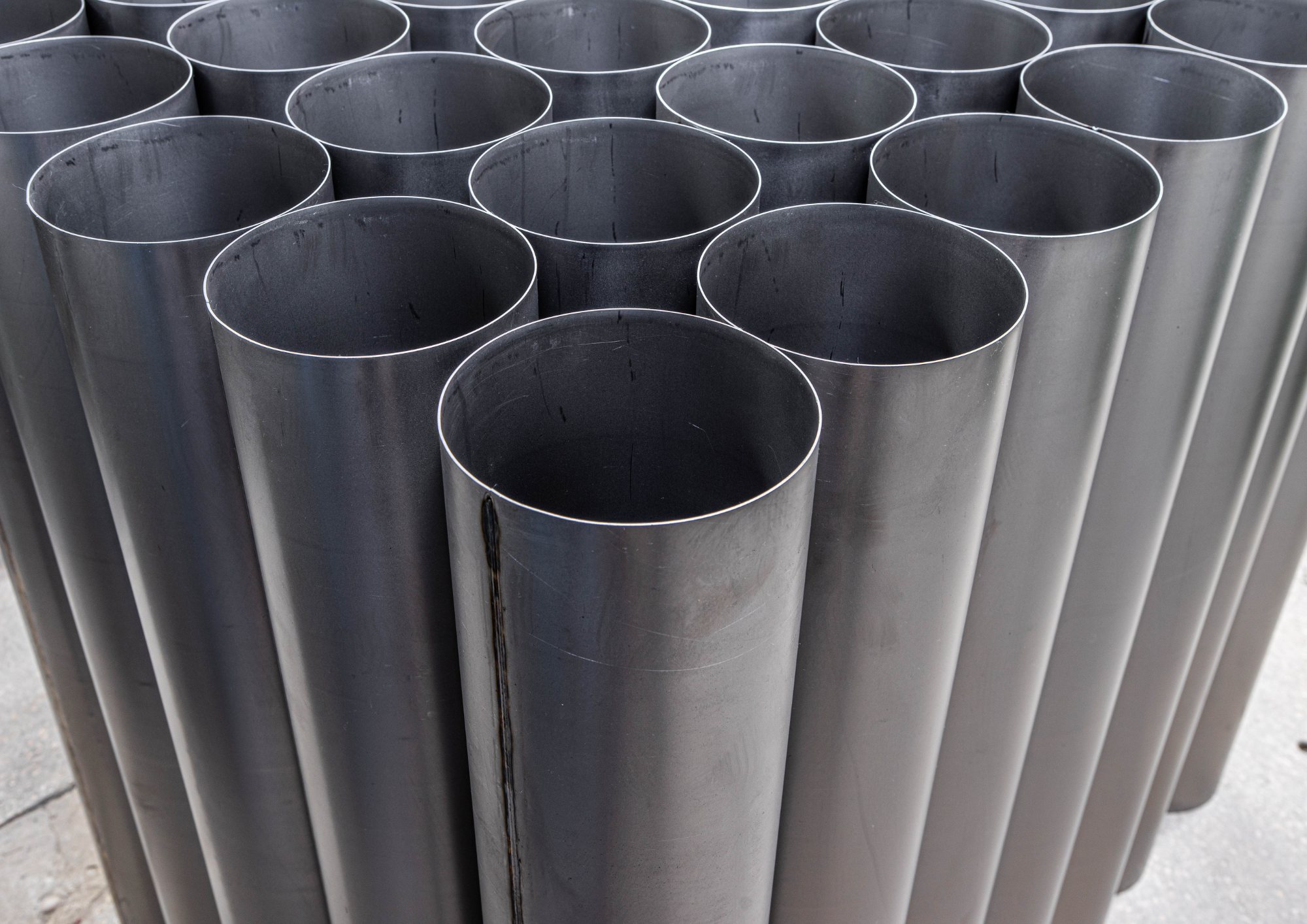
Although less common in modern installations, these pipes can often be found in older homes and are appreciated for their strength and durability.
PEX
Gaining popularity for its flexibility and ease of use, particularly in retrofitting projects. PEX minimizes the number of fittings required and is resistant to scale and chlorine, thus prolonging the life of your plumbing system.
Copper
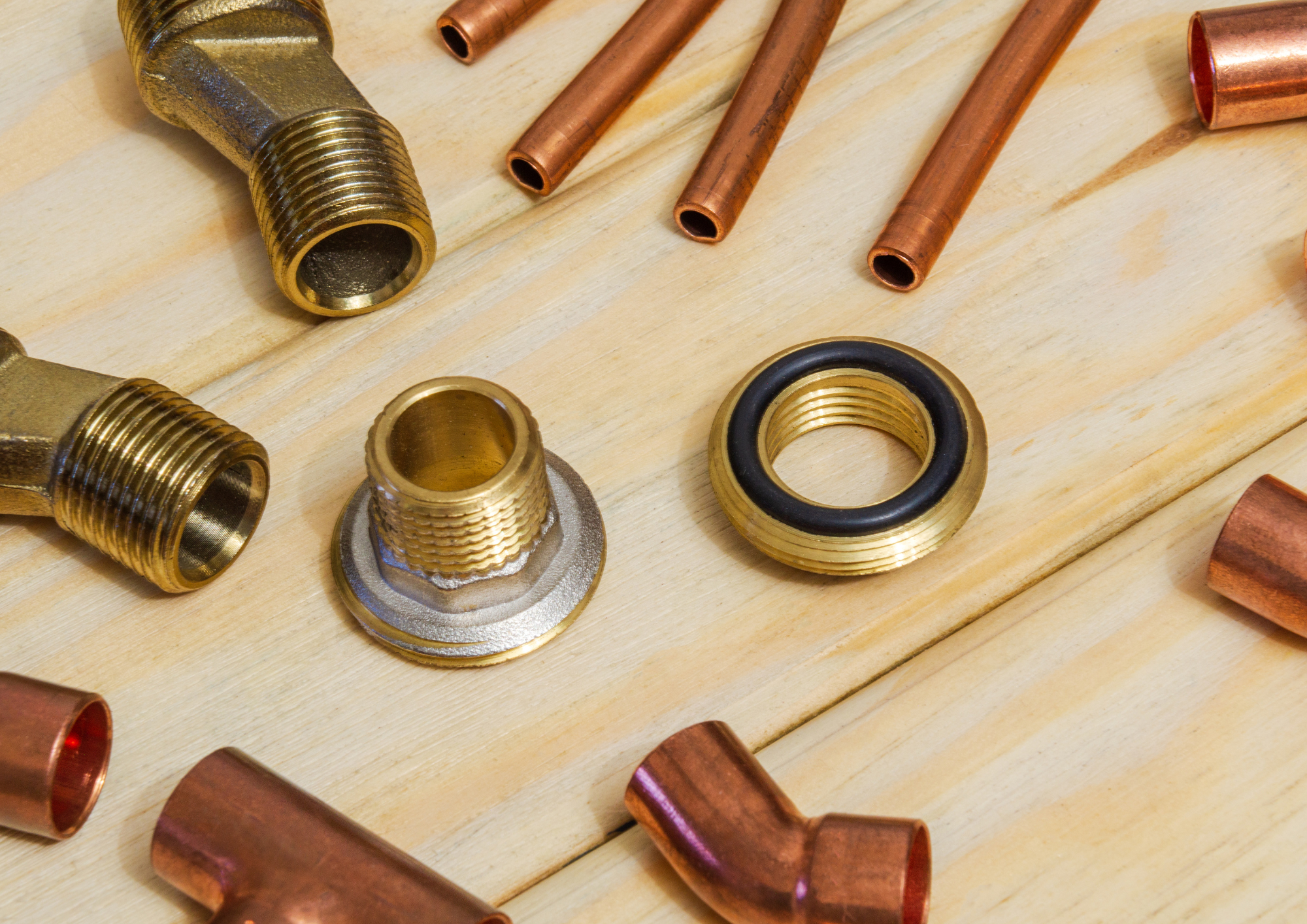
Known for its durability and longevity, copper pipes are ideal for water supply lines due to their resistance to corrosion.
PVC
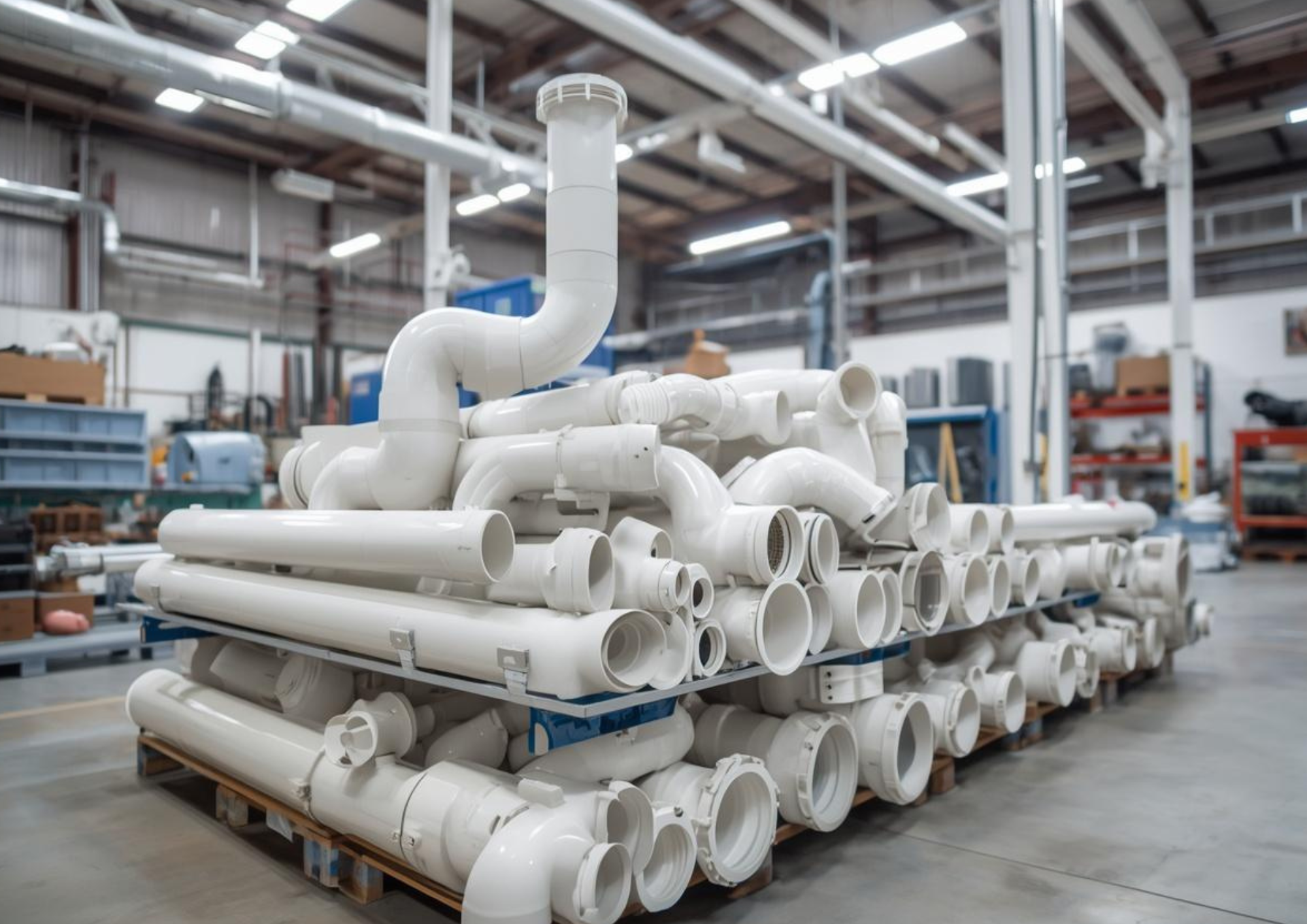
Valued for its affordability and simple installation, it is a preferred choice for drainage and venting systems.
Choosing Plumbing Accessories
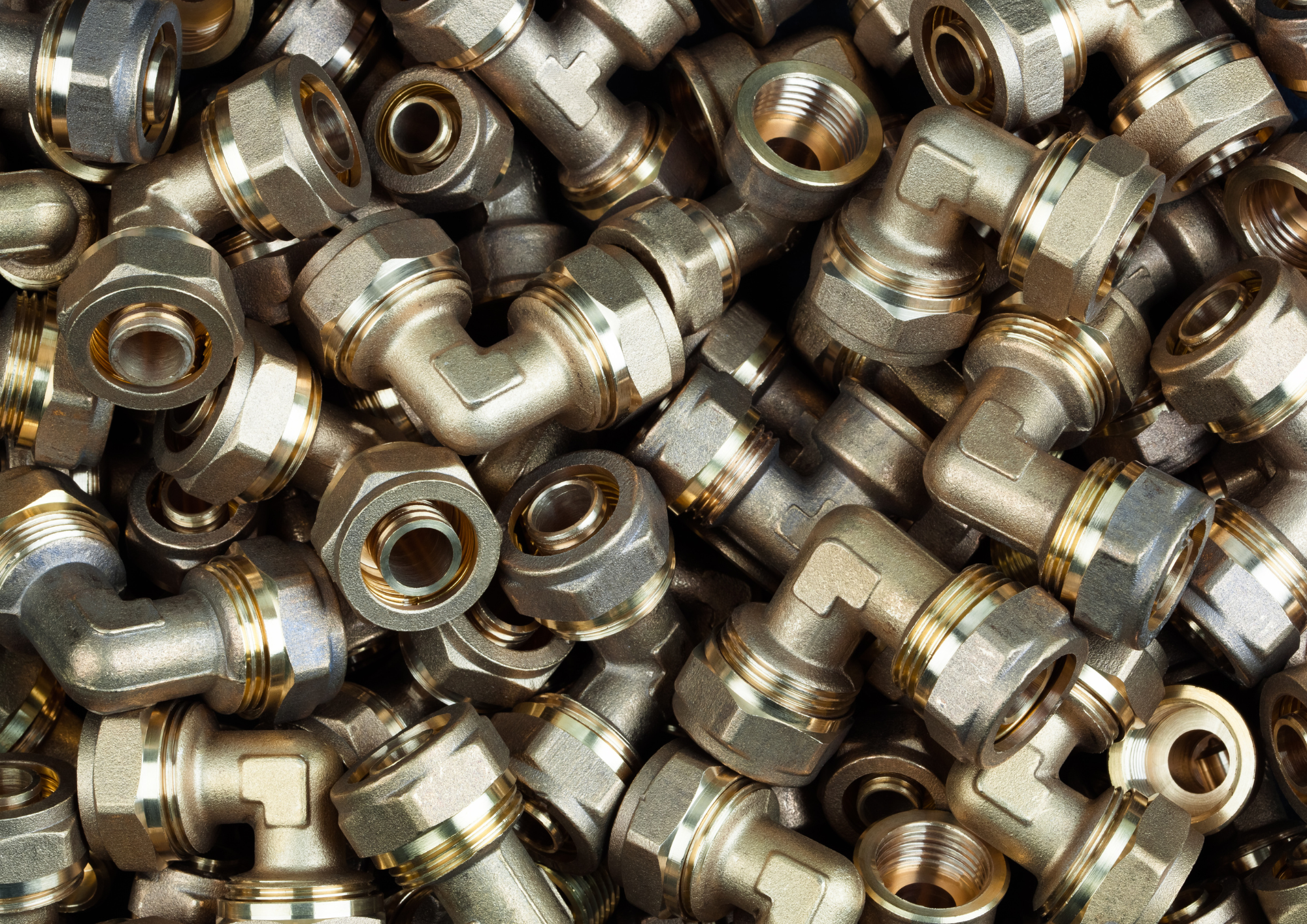
Make sure that the plumbing accessories you select are compatible with your chosen pipe material and address your project’s specific requirements. For instance, ensure that fittings and valves match the pipe type to avoid leaks and maintain the integrity of the system.
Considering Environmental Factors
Take into account the environmental conditions at your installation site. In areas with hard water, using corrosion-resistant materials may be advantageous, whereas regions prone to seismic activity could benefit from flexible solutions that can adapt to movement.
By carefully evaluating these aspects, you can develop a dependable and efficient plumbing system that meets your needs and withstands the test of time. Investing in high-quality materials and professional installation can help prevent future complications and enhance the overall value of your property.
The Importance of Proper Sizing and Installation
Understanding the correct sizing for your pipes is just as crucial as selecting the right material. Pipes that are too small can restrict water flow, resulting in pressure problems, while overly large pipes may incur unnecessary costs and occupy extra space. Consulting a professional to determine the ideal pipe size for your specific requirements can help avert these issues and ensure a seamless installation process.
Seeking Professional Guidance and Compliance
If you’re uncertain about your plumbing needs, it’s wise to seek expert advice. Licensed plumbers can offer valuable insights into best practices and the latest technological advancements in the field, ensuring that your system is not only efficient but also adheres to local building codes and standards. This compliance is essential for safety and legal reasons, helping to prevent costly fines and potential hazards in the future.
Planning for Future Needs
When designing your plumbing system, consider future requirements. This may include planning for possible expansions or upgrades, such as incorporating smart home technology for water monitoring and leak detection. By anticipating these needs, you can avoid disruptive and costly renovations down the line.
Embracing Sustainable Choices
Lastly, choosing environmentally friendly plumbing solutions can contribute to sustainability efforts while also lowering water and energy bills. Low-flow fixtures, water-efficient appliances, and rainwater harvesting systems are just a few examples of how modern plumbing solutions can be both eco-conscious and cost-effective.
In summary, selecting the right pipes and accessories is a complex process that necessitates thoughtful consideration of materials, sizing, environmental factors, and future needs. By keeping these elements in mind, you can ensure that your plumbing system is reliable, efficient, and built to last.